Dry Needling

Dry Needling

Definition:

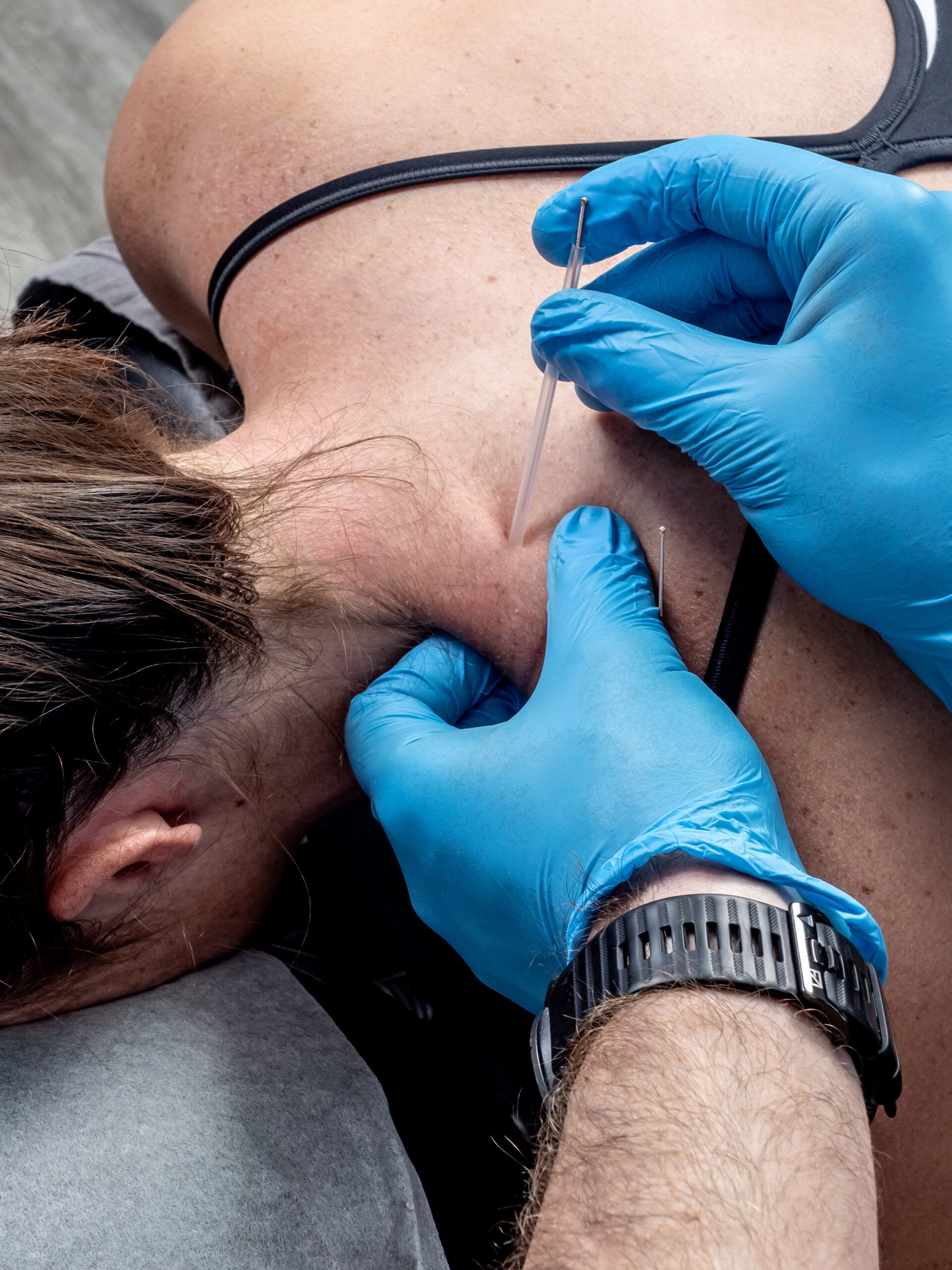
Dry needling is a therapeutic technique in which thin, solid needles are inserted into trigger points, or knots, in muscles to relieve pain and improve function. It is often used to treat muscle pain, stiffness, and dysfunction.

Safety:

General Safety: Dry needling is generally safe when performed by a trained and licensed practitioner. Serious complications are rare but can include infections, nerve damage, or pneumothorax (collapsed lung).

Side Effects: Common side effects include temporary soreness, bruising, or bleeding at the needle insertion sites. These generally resolve within a couple hours.

What to Expect:

Treatment: During the procedure, you may be seated or lying down. The practitioner will insert thin needles into the trigger points identified during the consultation. The needles are left in place for a few minutes.

Sensations: You might feel a slight prick as the needle enters the skin, followed by a twitch response or a dull ache when the needle hits the trigger point. Some people experience muscle soreness or mild pain during or after the treatment.

Post-Treatment: After the session, you may feel relief from symptoms, increased range of motion, or improved function. Some people may experience mild soreness or discomfort that usually resolves within a day or two.

Benefits of Dry Needling

Pain Relief: Dry needling can effectively reduce pain, particularly in the back, neck, shoulders, and limbs.

Improved Mobility: By releasing tight muscles and trigger points, dry needling can enhance overall mobility and range of motion.

Enhanced Recovery: Athletes and active individuals often use dry needling to speed up recovery from injuries and improve performance.

Non-invasive Treatment: Dry needling provides a non-surgical and drug-free approach to managing musculoskeletal issues.

Potential Risks of Dry Needling

Minor Side Effects: Common side effects include temporary soreness, bruising, or bleeding at the needle insertion sites.

Serious Complications: Rare but serious complications can include infections, nerve damage, or pneumothorax (collapsed lung).

Temporary Increase in Pain: In some cases, individuals might experience a temporary increase in pain or discomfort following dry needling. This reaction to treatment is normal, but consult your practitioner if you experience any worsening of your symptoms.

Considerations for Safety

Qualified Practitioner: Ensure your practitioner is licensed and has the appropriate training and experience in dry needling.

Medical History: Provide a complete medical history to your practitioner, including any existing medical conditions or previous surgeries and/or injuries.

Follow-Up Care: Adhere to any follow-up care instructions provided by your practitioner to ensure the best outcomes and reduce the risk of complications.

Listen to Your Body: If you experience significant pain, dizziness, or any unusual symptoms after dry needling, contact your practitioner immediately.

Summary

Dry needling can offer significant benefits, especially for pain relief and improved mobility. Always consult with a qualified practitioner and provide them with your full medical history to make an informed decision about your care.